Spain now legally recognizes digital IDs as equal to physical ID cards. Here’s what it means for travelers, businesses, and the future of digital identity in Europe.

Digital IDs have now been legally recognized as equivalent to physical ID cards. In practice, this means that organizations such as banks, hotels, and public administrations are now required to accept digital identity for identification.
From a traveler’s point of view, this is a clear shift. You no longer necessarily need to carry your physical ID when moving around in Spain. If you have a digital identity wallet on your phone that meets the required standards, it can be enough. This fits naturally into how our lives already work. Payments are digital, tickets are digital, communication is digital. Identity is simply the next logical step.
Governments are already issuing digital identities to citizens, and the infrastructure behind this is no longer theoretical. It is live, it is growing, and it is being tested at scale.
Because while the public sector is moving forward, many organizations are still trying to understand what this means in practice. What needs to change? How do you technically support digital identity? How do you make sure your systems are compliant?
What is happening in Spain is not an isolated case. It is part of a broader European transformation. Under the updated eIDAS 2.0 regulation, all EU member states are required to provide digital identity wallets to citizens by the end of 2026. At the same time, organizations that require strong user identification will need to accept these wallets as a valid method of authentication. This has been confirmed by the European Commission as part of the EU Digital Identity Framework, which aims to create a unified and interoperable identity system across Europe (European Commission, “European Digital Identity”, Regulation (EU) 2024/1183).
The shift may feel sudden, but in reality, it has been building for years. Online fraud, identity theft, and fragmented authentication systems have created a need for something more secure and standardized. Digital identity wallets address this by allowing users to prove their identity with verified credentials, while also controlling what data they share and with whom. This reduces unnecessary data exposure and creates a more privacy-preserving way to interact online.
For organizations, the implication is clear. If your service requires identifying users or customers, you need to start preparing now. This does not necessarily mean rebuilding your entire system, but it does mean enabling your services to work with digital identity credentials. In most cases, this comes down to having a compatible verification layer that can read and validate EU wallet credentials, whether that is integrated into your existing digital services or used in physical interactions.
This transition will not wait for everyone to be ready. Spain is simply one of the first countries showing what this looks like in reality. The same direction is being taken across the EU, and timelines are already defined.
We have seen this pattern before. When regulation and infrastructure align, adoption follows quickly. Those who prepare early have time to adapt and experiment. Those who wait often end up reacting under pressure.
The first step is not necessarily building something new, but understanding what is required and where you currently stand. Working with an eIDAS-compatible provider can help you map out the path, identify the necessary components, and start with small, controlled implementations.
If you want to understand how your organization can prepare for this shift or how to start implementing EU wallet-based identification, feel free to reach out to us at [email protected] or book a time with us. We are happy to help you get started.
The EUDI Wallet is moving from pilots to deployment. Learn what businesses need to do now to verify credentials, register as relying parties, and prepare for 2027.

Learn how EUDI Wallet authentication can replace passwords and SMS OTPs with cryptographic, high-assurance identity verification for B2B platforms.
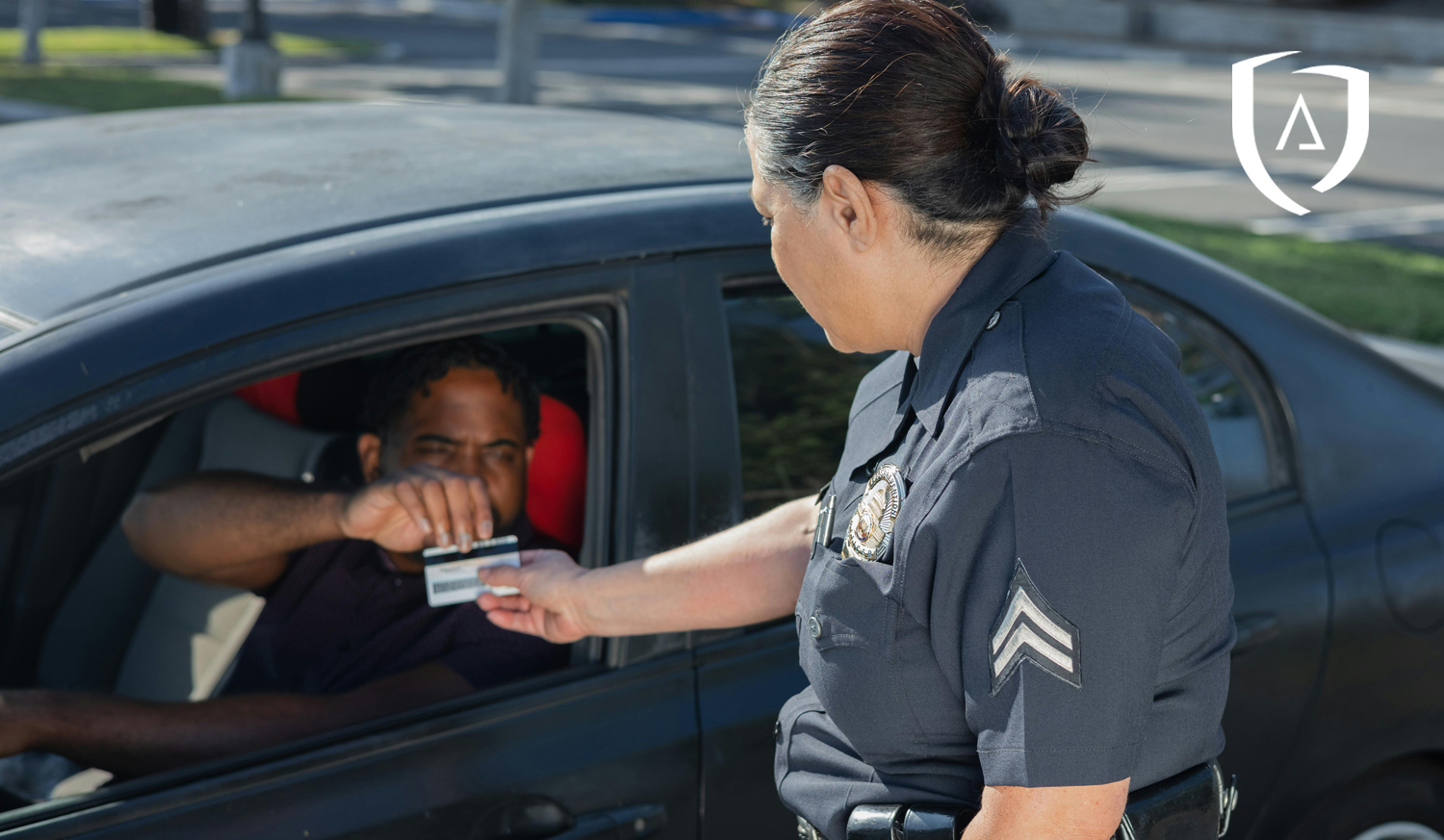
Mobile driving licences (mDLs) are moving from pilots to production in the EU. Learn what mDLs can and cannot do, how proximity and online flows differ, and what car rentals, airlines, and other verifiers need to prepare.

